Engineering clarity
Design discussions are anchored in technical limits, grid references, equipment interfaces, and commissioning evidence.
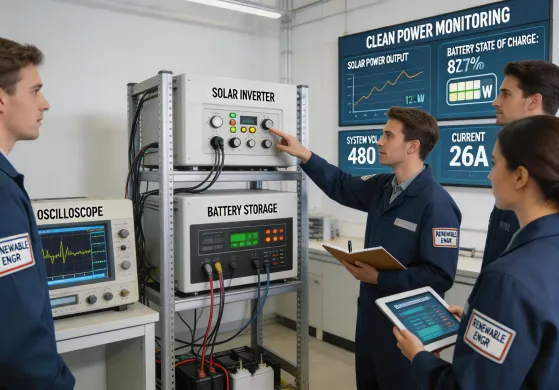
Sungrow is presented here as a technology-forward renewable energy partner for buyers who need inverter knowledge, storage integration, EV charging coordination, and monitored O&M to work as one system. Its brand story is not only about hardware scale; it is about disciplined power electronics, software visibility, and engineering conversations that reduce uncertainty for EPCs, IPPs, commercial owners, and energy consultants. In a market where grid rules, battery warranties, and project finance assumptions change quickly, a credible supplier must help buyers verify the details that determine whether an asset will perform after commissioning.
The Sungrow narrative begins with the practical discipline of converting DC power from PV arrays into stable AC power for a demanding grid. That foundation still matters because every renewable asset depends on conversion efficiency, thermal behavior, safety settings, and grid response. Yet the buying conversation has expanded. Customers now ask how a hybrid inverter will coordinate with a battery management system, how a utility plant will provide reactive power support, how a commercial rooftop will share data with facility software, and how an EV charging hub will avoid demand spikes. Sungrow's positioning responds to that shift by connecting solar inverters, energy storage, monitoring, and service into a single technical language.
Innovation is useful only when engineers, installers, owners, and operators can see the same assumptions before the project is built.
That perspective keeps the brand grounded. It avoids absolute environmental claims and focuses instead on measurable system performance, regional compliance, documented warranties, and transparent operating data. For buyers, the result is a partner that can discuss MPPT voltage range, THD, LFP cycle life, round-trip efficiency, remote firmware planning, and commissioning evidence without treating those topics as separate silos.
Design discussions are anchored in technical limits, grid references, equipment interfaces, and commissioning evidence.
Monitoring, alarms, API access, and data exports are treated as core project requirements, not optional software decoration.
Support planning includes spares, warranty documentation, remote diagnostics, and service routes for long operating lives.
Compliance language is kept specific to the market, from UL and IEEE in North America to CE and IEC references elsewhere.
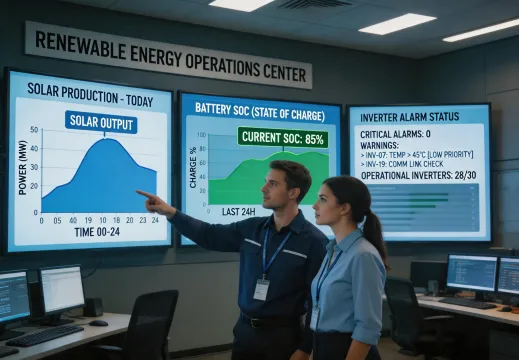
Renewable energy buyers are under pressure to deploy quickly while still proving that assets can be maintained for decades. Sungrow's role is to help project communities, facility teams, and asset owners move beyond a one-time purchase decision. Clear monitoring screens help operators understand production curves and battery state of charge. Service documentation helps installers close punch lists without repeated calls. Warranty terms help finance teams distinguish product guarantees from operating assumptions. Safety reviews help communities accept storage systems and EV charging hubs with fewer unanswered questions. These details are rarely dramatic, but they decide whether a renewable project earns trust after the ribbon cutting.
Share a project profile and the team will help define the right technical questions for solar, storage, charging, or monitoring decisions.